11 Design Mistakes Architects Make and How to Avoid Them
After designing and reviewing hundreds of residential floor plans, I keep seeing the same design mistakes.
A house can look beautiful on paper and still be uncomfortable to live in. That usually happens when key design choices and decisions did not take daily life, comfort, cost, or long-term use into consideration.
If you’re designing a home or developing residential units, let’s look at 11 issues to avoid early to prevent costly changes, daily frustration, and unhappy buyers later.
Design Mistakes Architects Make
1. Working without a client brief
When you start a design without a brief, i.e., understanding the client’s needs, preferences, and priorities, you are most likely going to keep changing the design.
One of the fastest projects I worked on was a residential design for a fashion designer in Jos. I only spent a few hours on the design, but the client couldn’t find anything to correct. Why? It was the most detailed design brief I have ever received.
A brief gives you something to work with. Without it, you’ll keep guessing, and guessing is expensive. It doesn’t need to be formal; what matters is that it clearly states what the client wants.
If you get a design job through a third party, it still helps to ask for something in writing. A simple WhatsApp message or email can be enough to help you understand what to focus on. and show what matters most to the client.
This will save you a lot of changes and stress in the long run.
2. Focusing On Aesthetics
This one is very common, especially now that everyone is trying to create ‘Instagram-worthy’ designs.
Yes, a building should look good. That’s part of the job. But when the design is driven mainly by how it looks rather than how it works, problems start to show up very quickly.
You’ll see things like:
Beautiful facades with poor ventilation
Fancy layouts that make movement inside the house stressful
Spaces that look good in renders but don’t feel comfortable in real life
A client might fall in love with the look at first, but once they start using the space, reality sets in.
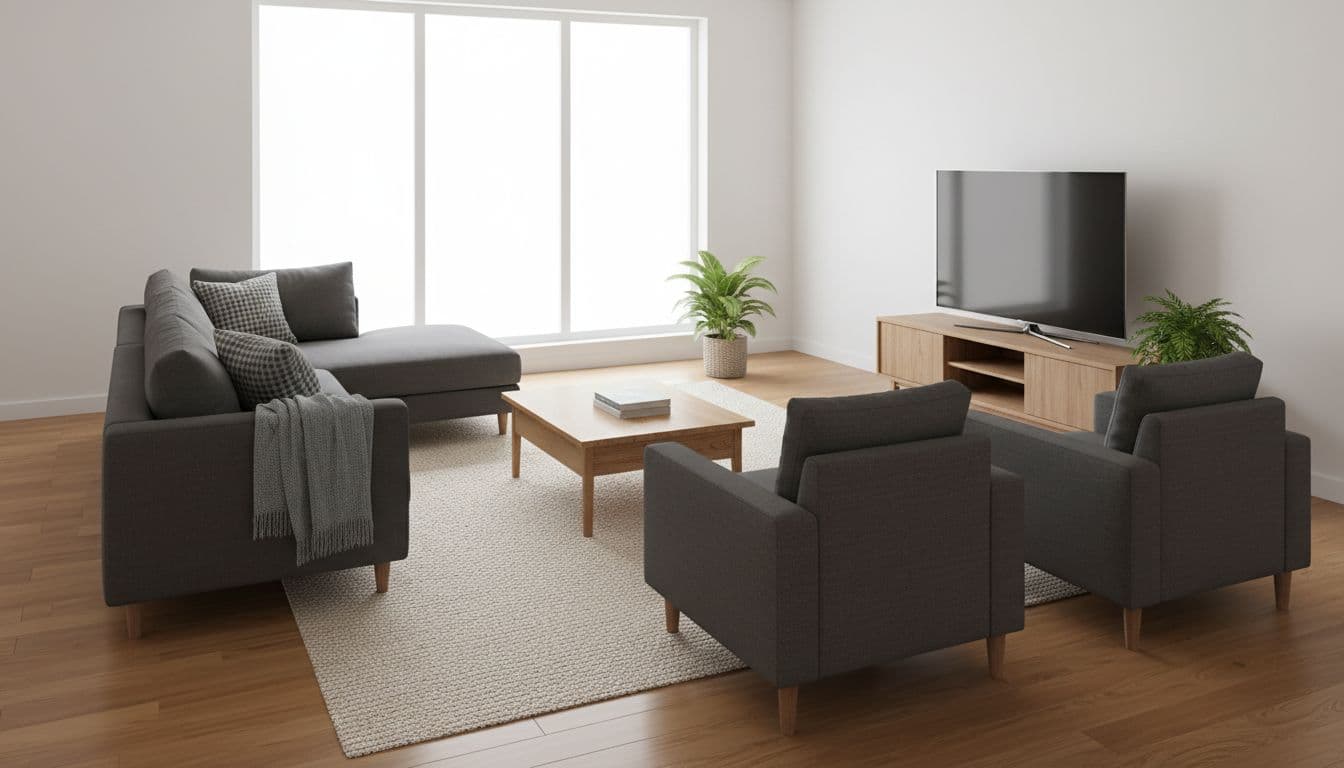
I’ve seen homes where the living room looks amazing in pictures, but there’s nowhere practical to place furniture. Or kitchens that look sleek but are frustrating to cook in.
That’s where the real issue is.
Aesthetics should support function, not replace it.
When you design, always ask yourself:
Can people move easily in this space?
Does this layout make daily activities easier or harder?
Will this still work even without the fancy finishes?
Because at the end of the day, people don’t live in renders. They live in the space.
3. Poor space planning
Certain factors determine the sizes you allocate to a space. This includes:
- The activity that would take place in that space
- The size of the furniture that will fit in that space
- And the number of people you expect to use that space at a time.
A space may look okay on paper yet feel tight, awkward, or wasteful once people start using it.
Good space planning doesn’t necessarily mean making a room bigger. It has to do with how each space works for the way people actually live.
And designing functional spaces is a skill every architect needs to master. A living room should not force people to squeeze past chairs. A bedroom should be sizeable enough to accommodate a wardrobe without blocking anything. A dining area should not feel like an afterthought.
The best spaces feel natural; people can move through them without effort, furniture fits where it should, and the room size matches the life inside it.
So, before fixing the size of any room, ask yourself three questions:
- What activity will happen here?
- What furniture will go inside?
- How many people will use it at once?
Then assign sizes to your spaces based on these parameters.
4. Underestimating budget constraints
Like I always say, every line you draw in design has a cost implication.
Wall heights, window sizes, roof type, layout choices, finishes, and structural decisions all affect the final project fee. So when the budget is ignored early, the project may need major changes later.
This creates frustration for everyone. The architect has to redesign, the client feels disappointed, and the project slows down.
So, before you put pen to paper, it’s always good to have an idea of your client’s budget, or at least their financial range. That does not mean every design must be plain or lifeless. It means the design should fit the project’s budget limits.
This will help you make smarter design choices that align with the project’s financial limitations and decide where to keep things simple and where to place value.
Now, most clients do not and may not explicitly state how much they budget for a project, but from their choice of words, you can guess the size of their budget.
When you hear “I want something affordable or not too expensive,” it means you should exercise caution when designing. Other times, you hear words like money is not an issue,” which means to outdo yourself.
You can also guess the budget from the location of the plot. For example, a plot situated in Maitama or Asokoro (a highbrow area in Abuja, Nigeria) is already screaming high-end and luxurious without a word from the client. While the same-sized plot in Maraba already suggests a low budget.
In a nutshell, being budget-aware should not affect creativity. It’s simply a way to design realistically. You don’t want to design something out of this world only to discover after approval that your client doesn’t have the funds to complete the project.
5. Neglecting natural light
There’s something special about a well-lit home.
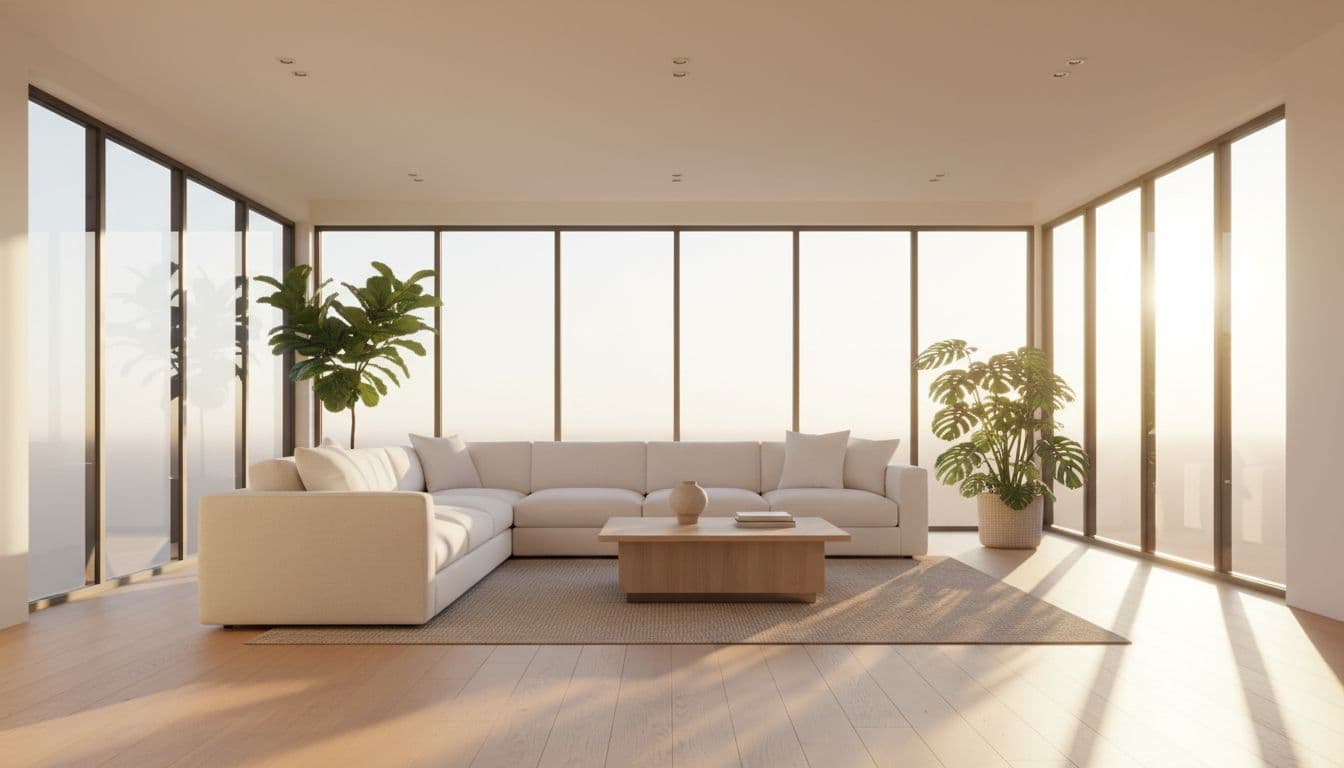
Research shows that access to daylight and window views can reduce stress, improve mood, and support better sleep. Spaces that receive light from more than one direction, such as rooms with windows on two sides, tend to feel brighter, better ventilated, and psychologically more comfortable for occupants.
Natural light changes how a room feels, how large it looks, and how pleasant it is to use during the day.
But with developers trying to cut costs and thinking the only way to do that is to reduce window sizes, architects have a rather big role to play.
Shrinking windows to cut costs may save you a few cents, but it often leaves the home darker and less inviting. And the end users are the ones who ultimately suffer the effects.
Window sizes should be proportional to the room size. Incorporate windows, or should I say sizable windows, in your design. As a simple guide, the window area should be about 10–20% of the room’s total floor area.
For instance, let’s say you have a room that is 4 m by 4 m, the floor area is 16 m². A good rule of thumb is that the window area should be 10–20% of the floor area. This means the room should have windows totaling 1.6 m² to 3.2 m².
In practice, this could be a window measuring at least 1.0 m × 1.5 m, or a larger opening such as 1.5 m × 2.1 m for better daylight and ventilation.
It makes the space feel better and improves ventilation.
A larger room usually needs more generous openings, while a smaller room still needs enough daylight to avoid feeling boxed in. Orientation matters too. The building should sit in a way that helps bring in useful light, not block it.
When a room is well-lit, it feels more alive.
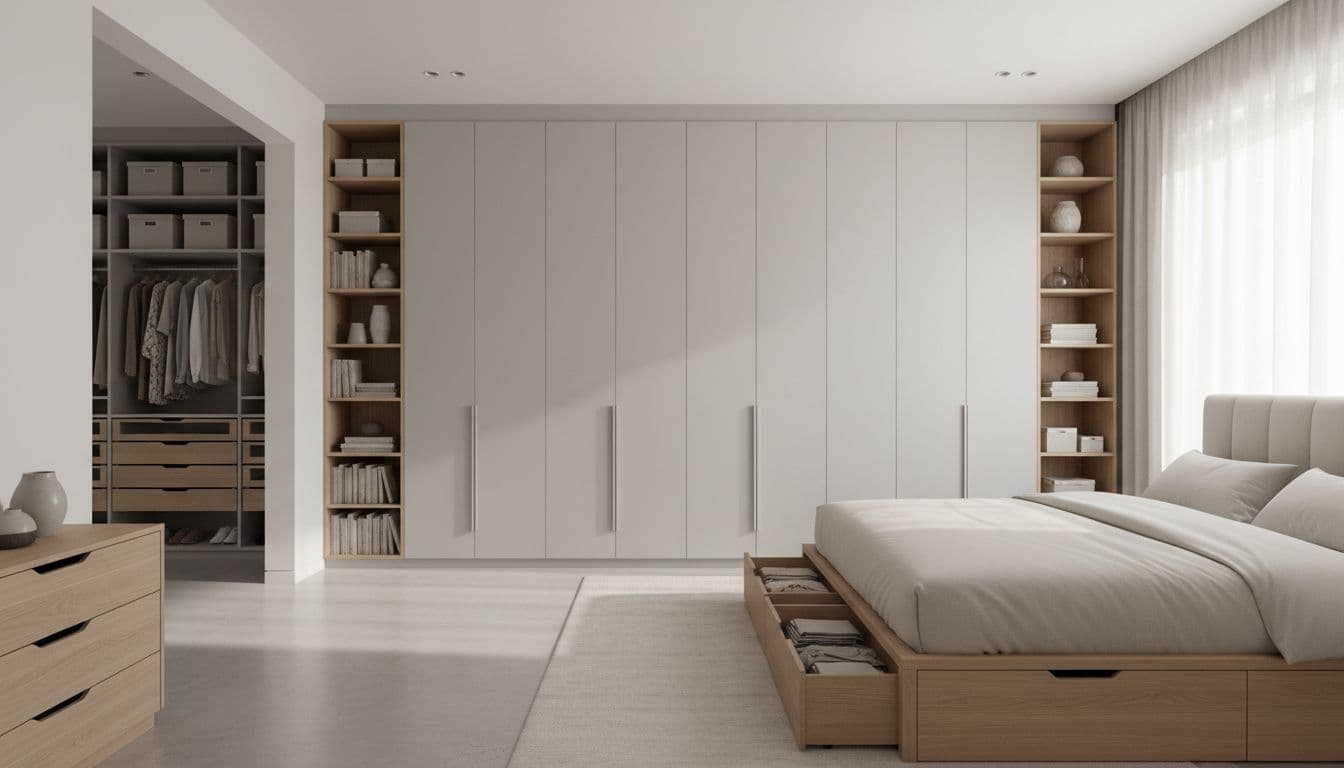
6. Insufficient storage
A house with good storage is a great addition to any space.
But I’ve seen so many designs with breathtaking exteriors, but when you see the floor plan, you are left wondering where the users would store their things.
- Where will clothes go?
- Where does the wardrobe fit?
- Where are household items meant to be kept?
Insufficient storage is one of the things many buyers complain about when buying a house. A house with poor storage is harder to sell. So don’t only give them rooms, give them places to store things.
Just so you understand what I’m saying, take a look at this floor plan
So, as you design, think about the end user. Don’t stop at giving them a room; think about how they will live in it, organize it, and keep it from turning messy.
Storage should feel built into the design, not added at the last minute.
7. Inadequate ventilation
Ventilation affects comfort and health in a way many people only notice after moving in.
Fresh air is underrated.
Proper ventilation is essential for comfort and good health. A house that cannot breathe often becomes hot, stale, and uncomfortable. So, as best as you can, provide adequate (cross) ventilation when designing.
I know there are times when we (Architects) face so many constraints that the only way out is to close that window. That’s why I added as best as you can.
Don’t focus only on the mechanical ventilation system. Mechanical ventilation can help, and in some cases, somebody may need it. Still, it should not be the only answer when good natural ventilation is possible. Systems can fail or be unavailable when they are needed most. When that happens, you leave occupants without a simple way to enjoy fresh air.
Try to provide cross-ventilation wherever possible so air can circulate through the space. That way, the occupants can still enjoy fresh air even when the mechanical options seem out of reach.
In temperate countries like Nigeria, ventilation is not an option. If power goes out and the fans/AC stop working, the house must still breathe. In cold regions, this may be treated differently, but in warmer settings, it should be taken seriously from the start.
8. Poor sound insulation
Noise can affect the comfort you enjoy in your home, especially in multi-unit housing, where sound can travel from one unit to another.
If residents can hear conversations or everyday activity from next door, the design has not done enough to protect their living experience.
And like I always say, it begins from the design stage.
Don’t wait until construction starts before considering privacy or noise control. Once the layout, wall positions, and unit relationships are fixed, the easiest chances to reduce sound problems may already be gone.
There are ways to make sure your design addresses all these things. The way units sit beside, above, or below each other matters. Good sound control starts with these choices, because the design should already be working to reduce noise before material fixes are added later.
So plan for privacy and noise reduction when designing.
9. Neglecting outdoor spaces
Most architects treat outdoor spaces like leftover areas. They are part of the home.
When buildings almost entirely cover a site, the project may gain extra floor area but lose breathing room, appeal, and flexibility.
A well-designed outdoor area adds value in several ways.
- It supports the interior.
- Improves how the home feels and makes the property easier to market. People respond to homes that feel balanced, and balance often comes from what happens outside as much as from what happens inside.
Overbuilding often creates a different result. The site starts to feel crowded and less inviting. There is no useful external space to support daily life, and the design misses a chance to give the home more character.
10. Ignoring parking and site movement
A floor plan does not end at the front door. Parking and site movement shape how people enter, leave, and use a property every day. When these are ignored, the design creates problems rather than solves them.
One clear example is a resident who cannot move out without asking a neighbor to move their car. That is more than a nuisance. In an emergency, a poor parking layout can become dangerous.
This problem shows up often in multi-unit housing. Some projects pack many units onto a site and provide little or no parking. That may raise the unit count, but it lowers the quality of life. Conflict becomes part of daily life, and access becomes a constant struggle.
Leave room for proper circulation. Think about how vehicles move, where they stop, and whether residents can get in and out without depending on someone else.
Your design should solve future challenges, not create them.
11. Lack of consideration for construction and long-term maintenance
In your quest to design buildings that wow your client, do not forget construction and maintenance.
It’s easy to focus on making a design look impressive. Construction and maintenance, however, matter just as much as the first visual impact.
Two smart questions to ask yourself concerning this are:
- Can the client actually build the design as proposed? If the answer is shaky, the plan may need more work.
I have a client who NEVER wants any shape other than square or rectangle. If I add anything that’s not a rectangle or square, she changes it during construction. She believes unusual shapes require a lot of time, material, and labor during construction. And there’s an element of truth in that.
- Another question that is just as important is: if the building is completed, will it still look good and function well five years later?
Some designs are difficult or costly to keep in good shape. Over time, they start to look worn, tired, or neglected.
So while strong design should still have character, it also needs to respect the client’s capacity to construct and maintain it. When architects think this way, they serve both the project and the people paying for it.
Final Thoughts
The best homes do more than impress at first glance. They support daily living with clear planning, good light, fresh air, privacy, storage, workable budgets, and spaces that still make sense years later.
Before signing off on a design, look at it like someone who has to live there every day. If the design can handle real-life use, not just approvals, it’s on the right track.
Frequently Asked Questions
1. What design mistake causes the most problems later in a project?
Poor space planning usually creates the biggest issues because it affects how people move, live, and work in the building every day. When circulation, room relationships, or furniture layout are wrong, the design may still look good on paper but fail in use. Early floor plan reviews help catch this before it turns into costly revisions.
2. How can architects avoid designing spaces that look good but don’t function well?
The fix is to test the design against real use, not just visual appeal. That means checking circulation paths, storage, daylight, ventilation, maintenance needs, and how furniture fits in each room. If a space cannot comfortably support daily life, the design needs rework.
3. How important is budget control during the design process?
I cannot overemphasize this.
Budget control matters from day one because cost affects materials and buildability. When architects design without cost checks, clients often face redesigns, delays, or value engineering that weakens the original idea. Regular cost reviews with the client and consultant team help keep design goals realistic.
4. What’s the best way to reduce coordination mistakes between architects and other consultants?
It begins with early communication and consistent drawing reviews between all consultants involved. Conflicts between structure, MEP systems, and architecture often happen when teams work in parallel without regular checks. Shared design updates, clash reviews, and milestone coordination meetings reduce errors before they reach the site.
5. Do building codes and approvals limit good design?
They don’t have to. Building codes and approval rules set boundaries, but they also protect safety, access, and public interest. Strong architects treat them as part of the design process, so compliance supports the concept instead of forcing late changes.